


Letters from the path
What Is Somatic Therapy — and Why Does the Work Start with the Body?
2 minute read
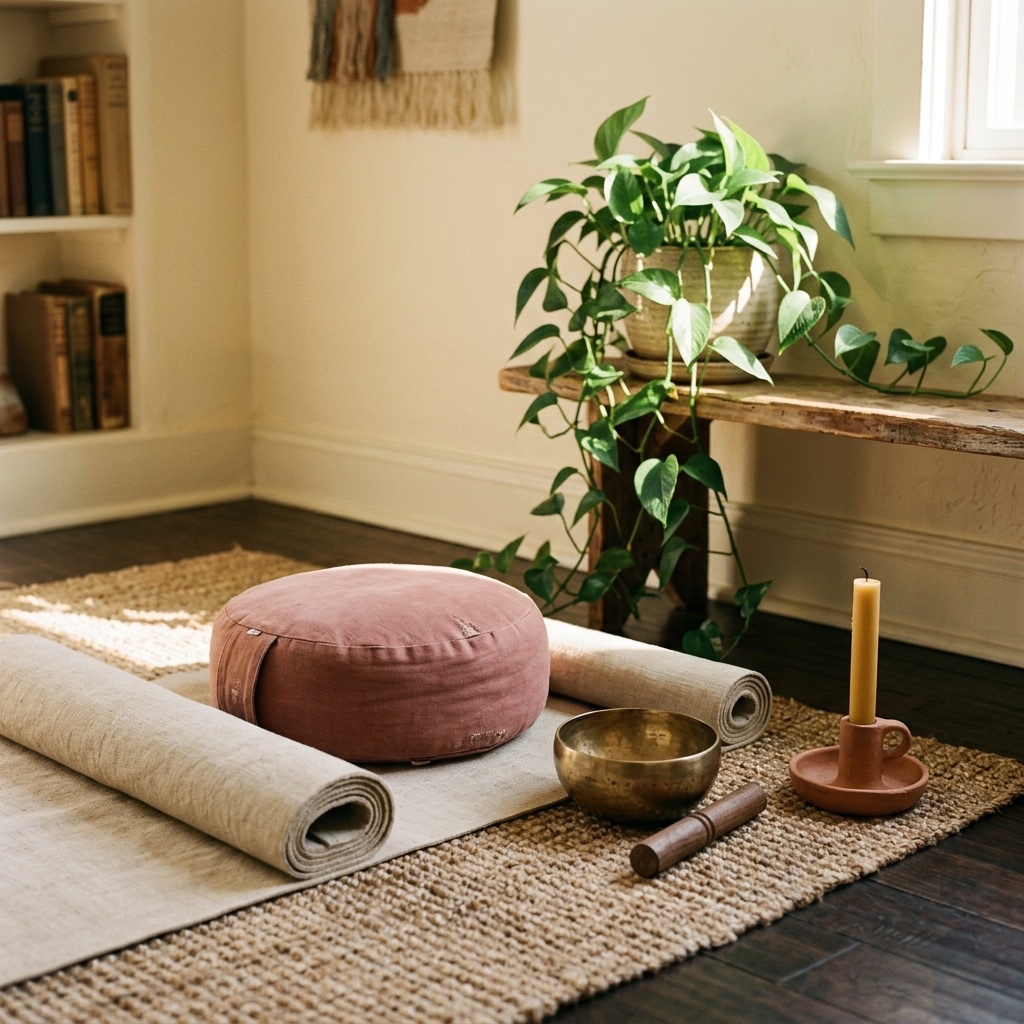
You can understand a pattern completely and still live inside it. You've traced the anxiety to its roots, named the dynamic, read the books. And the pattern returns anyway — the held breath before hard conversations, the bracing that arrives before anything has gone wrong.
This is not a failure of insight. The mind has gotten the news; the body hasn't. Somatic therapy begins exactly there.
What is somatic therapy?
Somatic therapy is psychotherapy that works with the body and nervous system directly: sensation, breath, posture, the felt sense. Instead of only analyzing what happened, it helps your body complete survival responses that never got to finish, so old patterns can begin to resolve instead of repeat.
Your nervous system knows two postures. Settling is the body reading the room as safe: breath drops low, shoulders soften, you can think and feel at the same time. Bracing is the opposite, muscles tight and attention narrowed toward the exits.
Both are intelligent; both kept you alive. But a body that braced for years can forget how to stop, the way a hand keeps the shape of something heavy long after setting it down. Your symptoms are not a sign of failure; they are a sign of a system that has worked hard to survive.
What does a somatic therapy session involve, especially by telehealth?
A somatic session moves slowly and stays specific. We might track a single sensation, a tight jaw or a held breath, and notice what happens when it finally gets real attention. By telehealth this translates better than most people expect: you are in your own space, and your body knows it.
Nothing dramatic happens, and that is rather the point. We practice one small completed motion: the exhale that actually finishes, the shoulders that drop half an inch and stay there. A nervous system learns a new baseline through repetitions it can tolerate, not through catharsis.
I practice entirely by telehealth with Nevada residents, and people often ask whether body-based work survives the distance. In my experience, the distance serves it. You are on your own couch, in your own light, wrapped in your own blanket — and the body reads home faster than it reads any office.
A body can hold a posture long after the reason for it is gone, and it can learn, slowly, to set it down.
If something in this recognized you, there is no rush and nothing you owe it. You can read more about how I practice somatic therapy in Nevada, or walk through what a first session is like before deciding anything at all.
And when you feel ready, if you come to feel ready, a free consultation is simply a fifteen-minute conversation about fit. Your body will tell you more about whether this is the right room than any page can. Come home to yourSelf.
Letters from the path
Quiet writing, when it’s ready.
If this reached something in you, the next essay can find you the same way — no noise in between.